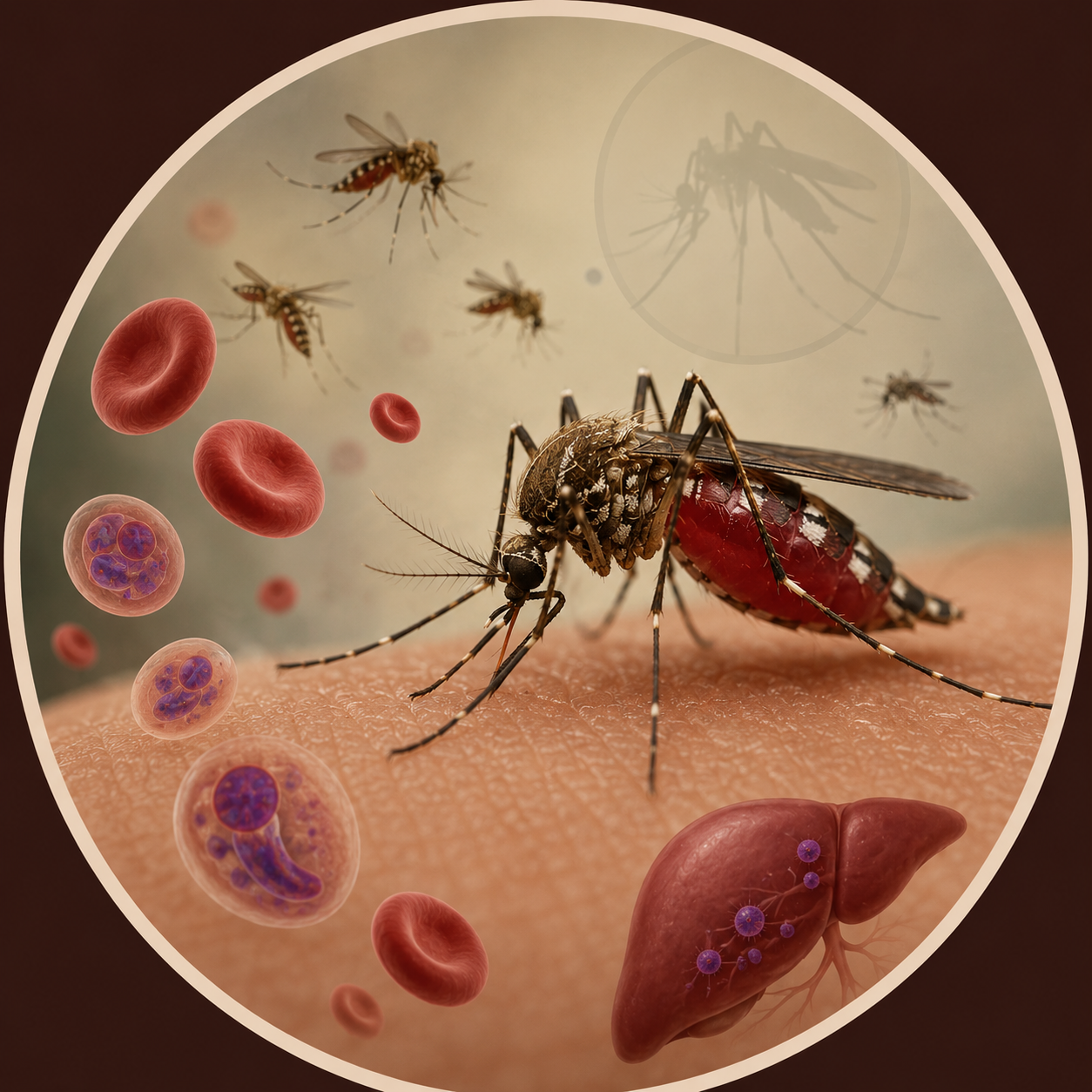
Malaria remains one of the most persistent and devastating public health challenges in Nigeria. Despite being both preventable and treatable, it continues to claim the lives of thousands of mothers and children each year, particularly pregnant women and children under five years of age.
Nigeria carries one of the highest burdens of malaria globally, accounting for a significant proportion of malaria-related deaths worldwide. The disease is especially dangerous for pregnant women, as it increases the risk of severe anaemia, miscarriage, stillbirth, low birth weight, and maternal death. For children, repeated malaria infections weaken immunity, contribute to malnutrition, and significantly increase the risk of death from other illnesses.
What makes malaria particularly tragic is that it is entirely preventable. Simple, proven interventions exist, yet gaps in access and utilization continue to cost lives. In many rural and underserved communities, families still lack insecticide-treated mosquito nets, timely diagnosis, and access to effective treatment. Delays in seeking care and limited availability of trained health workers further worsen outcomes.
Pregnant women are among the most vulnerable groups. Without preventive treatment during antenatal care, they face higher risks of complications. Intermittent preventive treatment in pregnancy (IPTp), use of insecticide-treated nets, and early antenatal registration are essential tools that significantly reduce malaria-related risks. However, coverage remains inconsistent in many parts of Nigeria.
Children under five are equally at risk. Fever is often treated late or improperly, and in some cases, families resort to self-medication or traditional remedies before seeking formal healthcare. These delays can be fatal, especially when malaria progresses rapidly into severe disease.
The economic burden of malaria is also significant. Families spend scarce resources on treatment, lose productive workdays, and face repeated cycles of illness that deepen poverty. At a national level, malaria reduces productivity and places additional strain on already stretched health systems.
The good news is that malaria control is highly achievable with the right combination of interventions. Widespread distribution and consistent use of insecticide-treated mosquito nets remain one of the most effective prevention strategies. Indoor residual spraying, environmental sanitation, and community hygiene also play important roles in reducing mosquito breeding.
Early diagnosis and prompt treatment with effective antimalarial drugs are critical. Strengthening primary healthcare systems to ensure rapid testing and treatment at community level can dramatically reduce deaths. Training community health workers to recognize symptoms early and provide timely referral is also essential.
Rotary and other partners have contributed significantly to malaria control in Nigeria through net distribution campaigns, community awareness programmes, and integrated maternal and child health interventions. These efforts have helped reduce exposure in vulnerable populations, particularly pregnant women and young children, while also strengthening health education at community level.
However, sustaining progress requires stronger government leadership, consistent funding, and improved coordination across all levels of the health system. Malaria cannot be eliminated through isolated efforts; it requires continuous action, community engagement, and long-term commitment.
Education remains a powerful tool. Families must understand that every fever is potentially serious and should be treated promptly at a health facility. Pregnant women must attend antenatal care early and consistently, and children must be protected with preventive measures from birth.
Malaria is not just a health issue—it is a development issue. It affects education, productivity, family stability, and national growth. No country can achieve its full potential while such a preventable disease continues to take the lives of its most vulnerable citizens.
The fight against malaria is a fight for survival, dignity, and progress. With sustained effort, Nigeria can move from being one of the highest-burden countries to one where malaria no longer determines who lives and who dies.
Adeniji Raji mni
Board Member
Rotary Action Group for Reproductive Maternal and Child Health